Sunny Anderson Broke Her Silence on Why Her 10-Year-Long Show Was Canceled: “They’re Intellectual Property Thieves.”
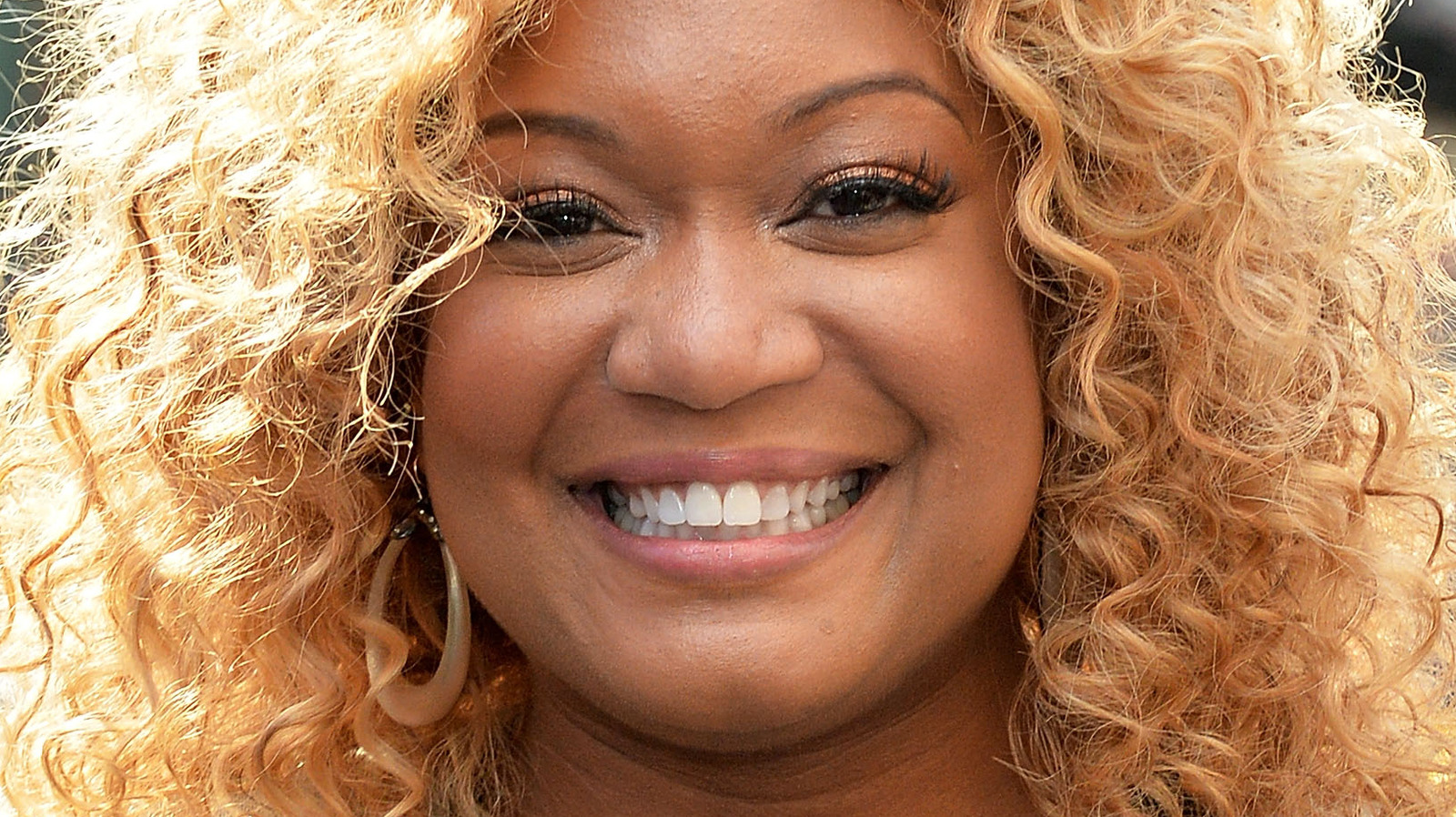
Sunny Anderson, a beloved television personality known for her engaging cooking shows, recently opened up about the unexpected cancellation of her decade-long program. Fans and industry insiders alike were shocked when the show abruptly ended, but Anderson has now shed light on the underlying reasons behind this decision. In a candid statement, she accused the network of being “intellectual property thieves,” sparking widespread discussion about the treatment of creative content and creators in the entertainment world.
Sunny Anderson’s Bold Accusation: Intellectual Property Theft
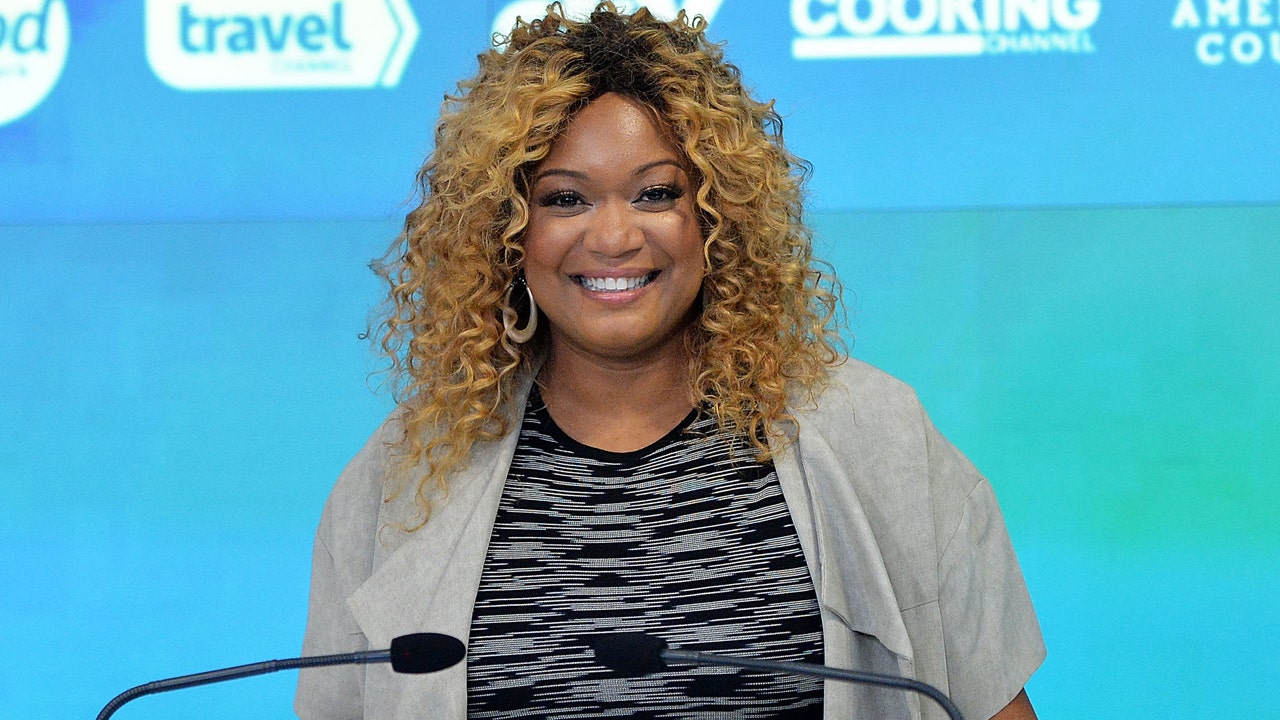
For over ten years, Sunny Anderson’s show captivated audiences with its unique blend of culinary expertise and charismatic presentation. However, despite its popularity and loyal fanbase, the show was suddenly canceled without a clear explanation. Anderson’s recent comments suggest that the cancellation was not merely a business decision but involved deeper issues related to intellectual property rights.
According to Anderson, the network behind her show engaged in practices that compromised her creative ownership. She described the situation as a form of intellectual property theft, implying that her original ideas and content were exploited without proper acknowledgment or compensation. This revelation has raised important questions about how networks handle the rights of creators and the protection of original content.
The Impact of Intellectual Property Issues on Creators
Intellectual property theft is a serious concern in the entertainment industry, where creators invest significant time and effort into developing original content. When networks or production companies misuse or appropriate this content without fair treatment, it can lead to financial losses and damage to the creator’s reputation.
Sunny Anderson’s experience highlights the vulnerability that many creators face. Despite her established career and public recognition, she encountered challenges in safeguarding her creative work. This situation underscores the need for stronger protections and clearer agreements to ensure that creators retain control over their intellectual property.
What This Means for the Future of Creative Content
The controversy surrounding Sunny Anderson’s show cancellation serves as a cautionary tale for other content creators. It emphasizes the importance of understanding intellectual property rights and advocating for fair treatment in contractual agreements. As the entertainment industry continues to evolve, creators must be vigilant about protecting their work from unauthorized use or exploitation.
Moreover, this incident may prompt networks and production companies to reevaluate their practices and foster more transparent relationships with creators. Ensuring that intellectual property is respected not only benefits individual artists but also promotes a healthier, more innovative creative environment.
Sunny Anderson’s Message to Fans and Fellow Creators

Despite the disappointment of her show’s cancellation, Sunny Anderson remains resilient and committed to her craft. She has expressed gratitude to her fans for their unwavering support throughout the years and encouraged fellow creators to stand firm in protecting their intellectual property rights.
Anderson’s openness about her experience serves as an empowering reminder that creators deserve respect and recognition for their work. By speaking out, she hopes to inspire others to be proactive in safeguarding their creative contributions and to demand fairness within the industry.
How Fans Can Support Sunny Anderson Moving Forward

Fans play a crucial role in supporting creators like Sunny Anderson, especially during challenging times. Staying engaged with her current projects, sharing her content, and advocating for fair treatment of artists can make a significant difference. Additionally, raising awareness about intellectual property issues helps foster a more informed and supportive community.
By standing with Anderson, fans contribute to a broader movement that values creativity and integrity in entertainment. This collective effort can help ensure that talented individuals receive the respect and protection they deserve.
Conclusion
Sunny Anderson’s revelation about the cancellation of her 10-year-long show and her accusation of intellectual property theft shed light on critical challenges faced by creators in the entertainment industry. Her story underscores the importance of protecting creative rights and fostering fair relationships between artists and networks. As viewers and supporters, it’s essential to recognize these issues and advocate for a more just and transparent creative landscape. Stay tuned for more updates on Sunny Anderson’s journey and join the conversation by sharing your thoughts on protecting intellectual property in entertainment.