A Wave of ESPN Staff Announce Strikes and Resignations Following the News of Elle Duncan’s Departure. What Happened?
The sports media industry was recently shaken by a significant upheaval at ESPN, as numerous staff members announced strikes and resignations in response to the departure of popular sports anchor Elle Duncan. This unexpected wave of employee actions has raised questions about the internal dynamics at one of the world’s leading sports networks. What exactly led to this mass reaction, and what does it mean for ESPN’s future? In this article, we delve into the details surrounding Elle Duncan’s exit and the subsequent staff unrest.
Understanding the Impact of Elle Duncan’s Departure on ESPN Staff

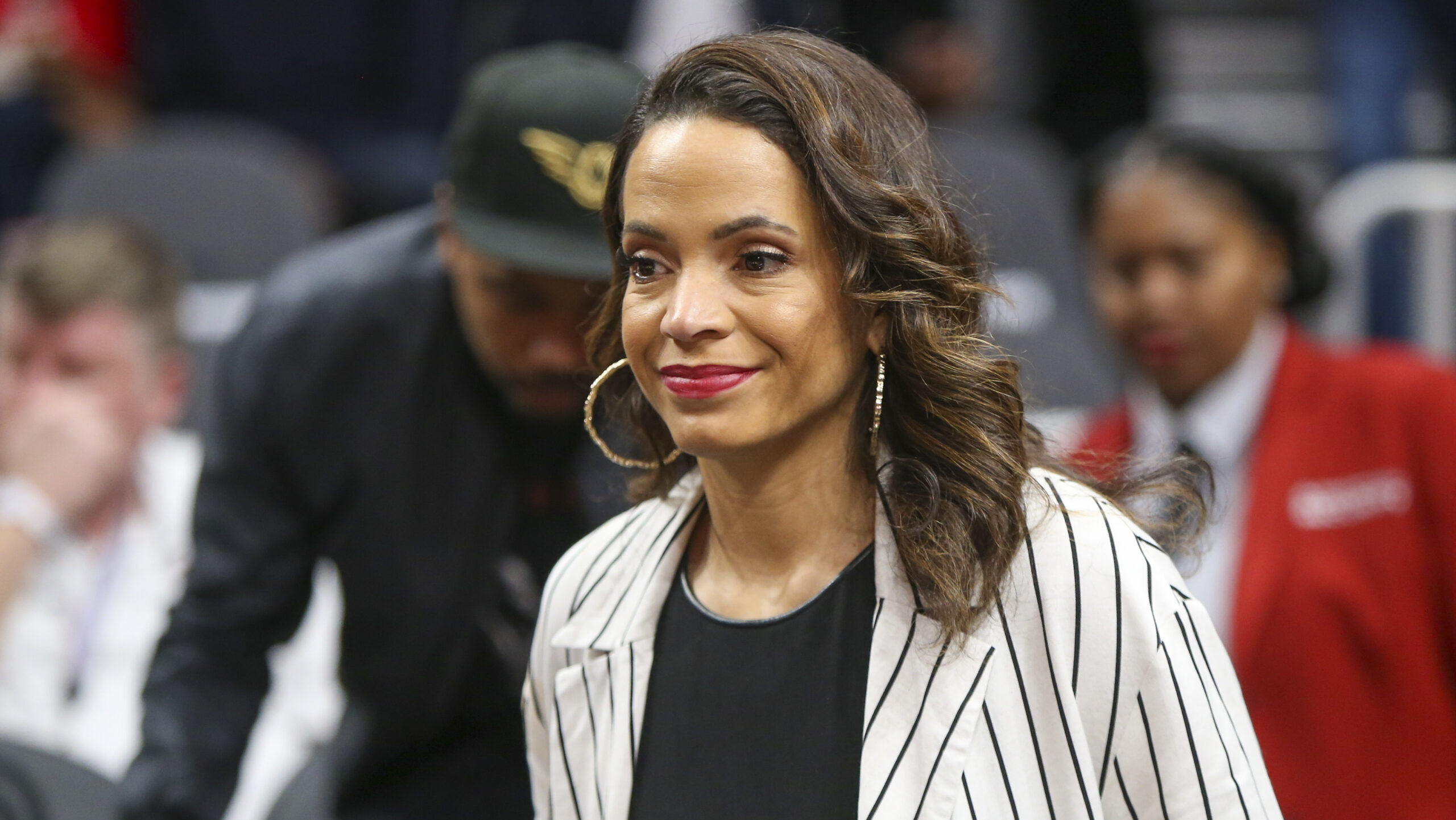
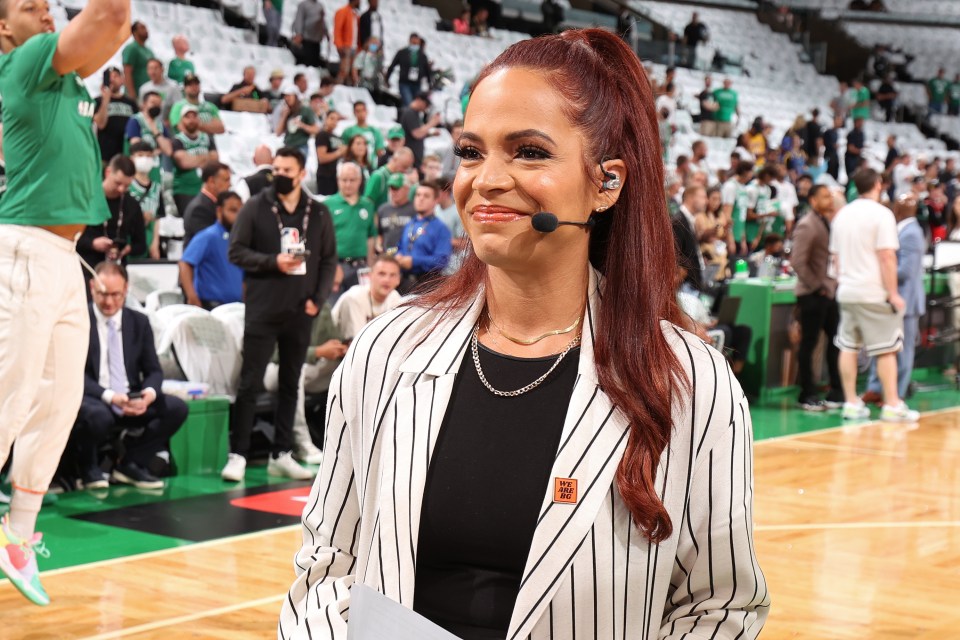
Elle Duncan, a well-known and respected figure in sports broadcasting, has been a prominent face on ESPN for years. Her sudden departure caught many by surprise, triggering a ripple effect across the company. Employees expressed their dissatisfaction through strikes and resignations, signaling deeper issues within the network’s workplace environment.
The reasons behind Duncan’s exit remain partially undisclosed, but insiders suggest it may be linked to disagreements over creative direction and workplace culture. ESPN staff members have voiced concerns about management practices and the lack of support for on-air talent, which they believe contributed to Duncan’s decision to leave.
This collective response from ESPN employees highlights the importance of employee morale and organizational culture in maintaining a successful media outlet. The strikes and resignations serve as a wake-up call for ESPN to address internal challenges and ensure a supportive environment for its talent and staff.
What This Means for ESPN’s Future and the Sports Media Landscape

The wave of strikes and resignations following Elle Duncan’s departure is more than just a personnel issue; it reflects broader challenges within the sports media industry. ESPN, as a leader in sports broadcasting, must navigate these internal disruptions carefully to preserve its reputation and market position.
In the short term, ESPN may experience operational difficulties as it adjusts to the loss of key staff members. However, this situation also presents an opportunity for the network to reevaluate its policies, improve workplace culture, and foster a more inclusive and supportive environment for its employees.
For viewers and fans, these developments may lead to changes in programming and on-air talent lineups. It remains to be seen how ESPN will manage this transition and whether it can regain the confidence of both its staff and audience.
Conclusion

The departure of Elle Duncan and the subsequent wave of strikes and resignations at ESPN underscore the critical role of employee satisfaction and workplace culture in the success of media organizations. As ESPN faces this challenging period, it must prioritize open communication and support for its staff to move forward positively. If you’re interested in staying updated on this evolving story and other sports media news, be sure to follow our coverage and share your thoughts on the future of ESPN.