CHRISTOPHER STEVENS reviews Once Upon A Time In Space: Sexism, drugs, tragedy… a gripping look at astronauts and their families
Once Upon A Time In Space: A Revealing Look at Astronauts and Their Families
The BBC’s documentary series *Once Upon A Time In Space* offers a captivating exploration of the lives of astronauts, focusing not only on their groundbreaking missions but also on the personal struggles and societal challenges they faced. This four-part series unpacks themes of sexism, drug use, and tragedy, painting a vivid portrait of the human stories behind the space race. Through intimate interviews and archival footage, viewers gain insight into the complex dynamics between astronauts and their families, highlighting the sacrifices and resilience required to venture beyond Earth.
Breaking Barriers: Sexism in the Space Program

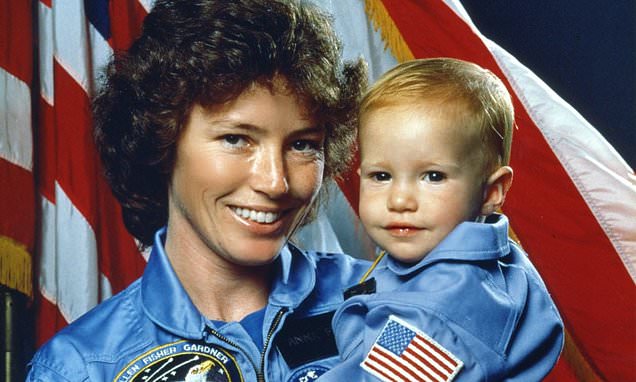
One of the most striking aspects of *Once Upon A Time In Space* is its candid examination of sexism within the astronaut corps, especially during the early years of NASA’s shuttle program. The documentary recounts the experiences of pioneering women astronauts like Anna Fisher, who faced skepticism and outright discrimination simply because of their gender. Fisher’s story is particularly poignant: just three days after giving birth to her daughter Kristin, she returned to rigorous training, determined to prove that motherhood and a demanding career in space exploration were not mutually exclusive.
The series also highlights the media’s often patronizing attitude toward female astronauts. Interviews from the 1970s reveal a time when talk show hosts and journalists questioned women’s capabilities, sometimes reducing them to their appearance or marital status rather than their professional achievements. This cultural backdrop made the accomplishments of women like Fisher all the more remarkable, as they persevered against a tide of doubt and prejudice.
The Invisible Astronaut: When Being ‘Normal’ Meant Being Overlooked

While women and minority astronauts fought for recognition, some white male astronauts found themselves unexpectedly overshadowed. Mike Mullane, a U.S. Air Force colonel and member of NASA’s first space shuttle crew intake in 1978, shared his feelings of invisibility amid the media’s focus on diversity milestones. Mullane’s candid admission that he could have “walked naked across that stage” without anyone noticing underscores the complex dynamics of attention and representation in the space program.
This phenomenon reveals how the quest for inclusivity sometimes led to unintended consequences, where those who fit the traditional astronaut mold felt marginalized. The documentary uses Mullane’s perspective to explore how identity and visibility intersected in the high-stakes world of space exploration.
Personal Tragedies and Psychedelic Revelations
Beyond professional challenges, *Once Upon A Time In Space* delves into the personal lives of astronauts and their families, revealing stories marked by tragedy and unexpected moments of clarity. The series recounts the life of Ron McNair, the son of a Harlem mechanic, whose journey to becoming an astronaut was both inspiring and heartbreaking. McNair’s story is a testament to perseverance in the face of adversity, but it also serves as a reminder of the risks inherent in space travel.
Meanwhile, the documentary offers a surprising glimpse into the life of Kristin Fisher, Anna Fisher’s daughter. Kristin describes how her perception of her parents’ extraordinary careers shifted dramatically during a college party where she experimented with magic mushrooms. This psychedelic experience led to a profound epiphany about the significance of her parents’ work, transforming what once seemed routine into something awe-inspiring.
The Impact on Families: Balancing Duty and Domestic Life
*Once Upon A Time In Space* also sheds light on the often-overlooked impact of space missions on astronauts’ families. The series explores how spouses and children coped with long absences, public scrutiny, and the ever-present danger associated with spaceflight. For couples like Anna and Bill Fisher, both astronauts, the pressure was doubled, as they navigated careers that demanded extraordinary commitment while raising a family.
The documentary emphasizes that behind every historic mission were families who bore emotional burdens and made sacrifices, underscoring the human cost of exploration beyond our planet.
Conclusion: Why You Should Watch Once Upon A Time In Space
*Once Upon A Time In Space* is more than a documentary about rockets and missions; it is a profound exploration of the human spirit confronting societal barriers, personal loss, and the extraordinary demands of space travel. By focusing on the stories of astronauts and their families, the series offers a nuanced perspective that enriches our understanding of space exploration’s legacy.
If you are fascinated by space history or interested in stories of resilience and determination, this documentary is a must-watch. Dive into the gripping world of astronauts who challenged norms, faced tragedy, and balanced the extraordinary with the everyday. Don’t miss the chance to experience *Once Upon A Time In Space*—a compelling journey that reveals the true cost and courage behind humanity’s reach for the stars.