BBC Star Chunkz Sparks Controversy Over Disowning Child for Leaving Islam
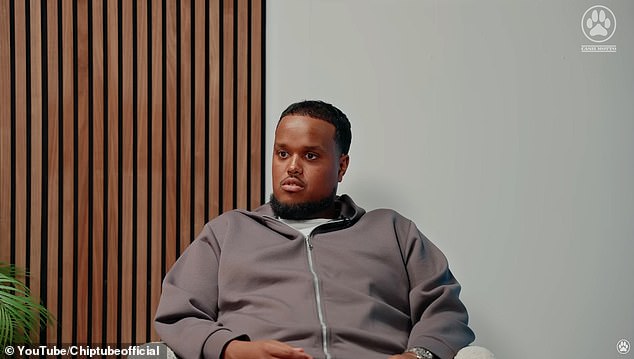
British television personality and YouTube star Chunkz has recently found himself at the center of a storm after making a bold statement about his family and faith. During a candid podcast interview, the BBC star revealed that he would disown his own child if they chose to leave Islam. This provocative declaration has ignited widespread debate among fans and social media users, many of whom have criticized the influencer for his uncompromising stance on religion and family loyalty.
Chunkz’s Controversial Statement on Disowning a Child for Leaving Islam
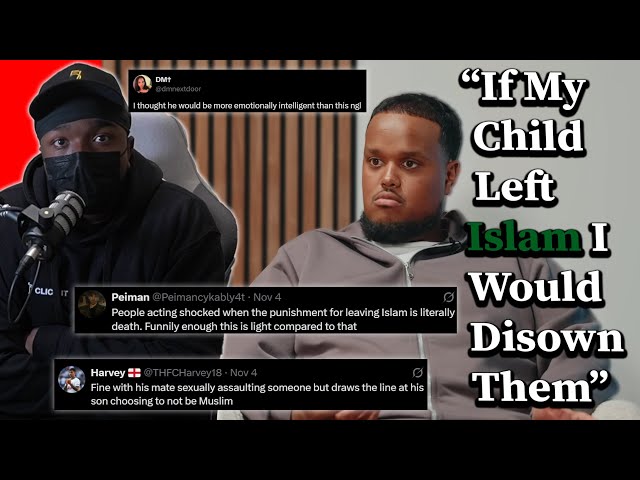
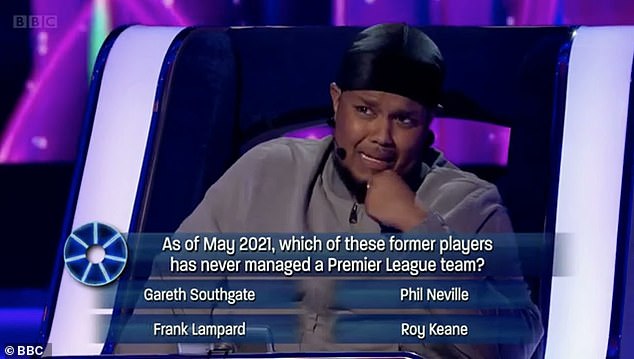
Amin Mohamed, popularly known as Chunkz, is a well-known figure in the UK entertainment scene, having appeared on BBC shows such as *The Wheel*, *Weakest Link*, and *Blankety Blank*. His popularity extends beyond television, with a significant following on YouTube and social media platforms. However, his recent comments during the *What’s Your Mo?* podcast have overshadowed his career achievements.
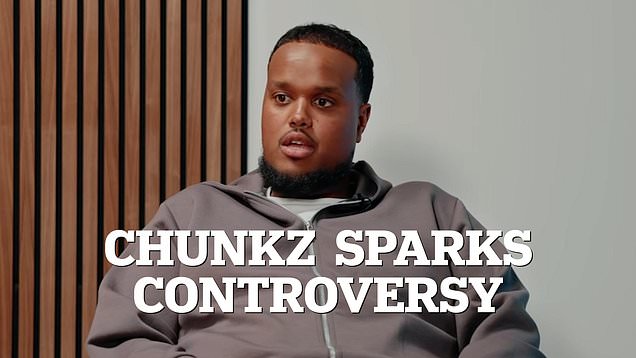
When asked what could possibly make him disown his child, Chunkz responded without hesitation that leaving Islam would be the one unforgivable act. He said, “I can forgive a lot when it comes to my own yute… Something mental. Leaving the religion. You can’t do that one there. You know what I mean.” The podcast host sought clarification, asking if he would truly disown his child if they decided not to be Muslim, to which Chunkz affirmed his position.
This statement has raised eyebrows and sparked intense discussions about faith, family expectations, and cultural values. For many, the idea of disowning a child over their religious beliefs seems extreme and harsh, while others understand the deep significance of religion in shaping identity and family bonds.
Public Reaction and Fan Backlash
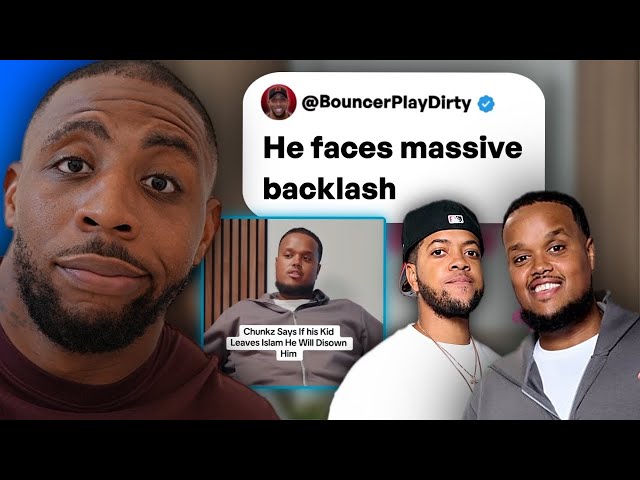
Following the release of the podcast episode, reactions poured in from fans, followers, and commentators across social media. Many expressed disappointment and concern over Chunkz’s remarks, accusing him of promoting intolerance and damaging family relationships. Some fans argued that unconditional love should transcend religious differences, emphasizing the importance of acceptance and understanding within families.
Others, however, defended Chunkz’s right to hold strong beliefs and to set boundaries based on his faith. They pointed out that religion often plays a central role in personal and cultural identity, and that such convictions can influence family dynamics in profound ways.
The controversy also sparked broader conversations about the challenges faced by children growing up in religious households, especially when their personal beliefs diverge from those of their parents. The debate highlighted the delicate balance between respecting individual freedom and maintaining cultural and religious traditions.
Chunkz’s Influence and the Role of Public Figures in Sensitive Discussions
As a public figure with a large and diverse audience, Chunkz’s statements carry significant weight. His comments have not only affected his personal reputation but have also sparked wider discussions about religion, parenting, and social values in contemporary Britain.
Public figures like Chunkz often face the challenge of navigating personal beliefs while being mindful of their influence on fans and followers. This incident underscores the importance of thoughtful communication, especially when addressing sensitive topics such as faith and family.
Moreover, the backlash against Chunkz reflects a growing demand for inclusivity and tolerance in public discourse. Audiences increasingly expect celebrities and influencers to promote messages of acceptance and understanding, particularly in multicultural societies.
Understanding the Cultural Context Behind Chunkz’s Views
To fully grasp the implications of Chunkz’s statement, it is essential to consider the cultural and religious context in which he was raised. Islam, like many religions, places significant emphasis on faith as a core aspect of identity and community belonging. For many Muslim families, religion is intertwined with cultural heritage, moral values, and social expectations.
In some communities, leaving the faith can be seen as a profound betrayal, not only of religious beliefs but also of family honor and tradition. This perspective helps explain why Chunkz might view apostasy as a boundary that could lead to disownment.
However, it is also important to recognize that attitudes toward religion and family vary widely, even within the same cultural or religious groups. Many Muslim families embrace a more flexible approach, prioritizing love and support over strict adherence to religious conformity.
Conclusion: Navigating Faith, Family, and Public Opinion
Chunkz’s declaration that he would disown his child if they left Islam has undoubtedly sparked a complex and emotional debate. While his stance reflects deeply held beliefs about faith and family loyalty, it also challenges modern values of acceptance and unconditional love. This controversy serves as a reminder of the ongoing tensions between tradition and individual freedom in today’s diverse societies.
As audiences, it is crucial to engage in respectful dialogue and seek to understand the perspectives behind such statements, even when they provoke discomfort or disagreement. For public figures like Chunkz, the incident highlights the responsibility that comes with influence and the need for careful consideration when discussing sensitive topics.
If you found this article insightful, don’t hesitate to share your thoughts or join the conversation on social media. Understanding different viewpoints helps foster a more inclusive and compassionate community.