Molly Qerim Caused a Stir by Exposing the Contract ESPN Asked Her to Sign Before Leaving the Network: “Don’t Think You Can Intimidate Me.”
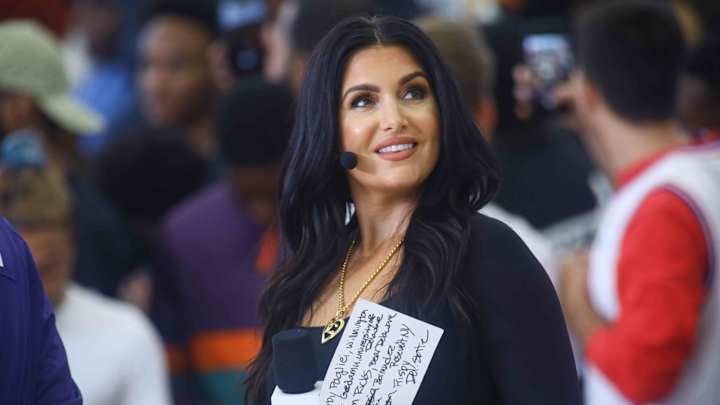
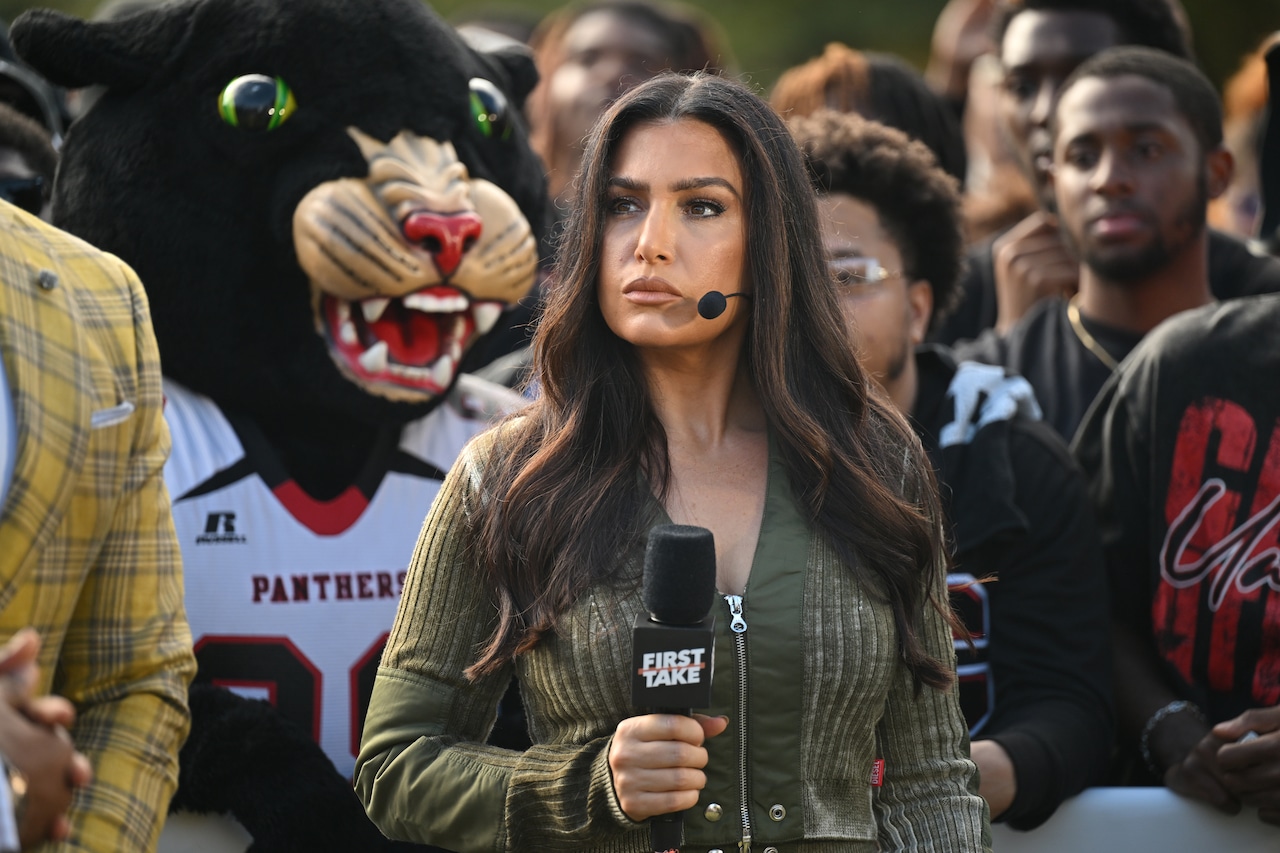
In the world of sports broadcasting, contracts often come with strict clauses and confidentiality agreements. However, Molly Qerim, a well-known sports anchor and host, recently made headlines by publicly exposing the contract ESPN requested her to sign before her departure from the network. This revelation has sparked widespread discussion about the nature of such agreements and the pressures media personalities face behind the scenes.
The Controversial Contract ESPN Presented to Molly Qerim
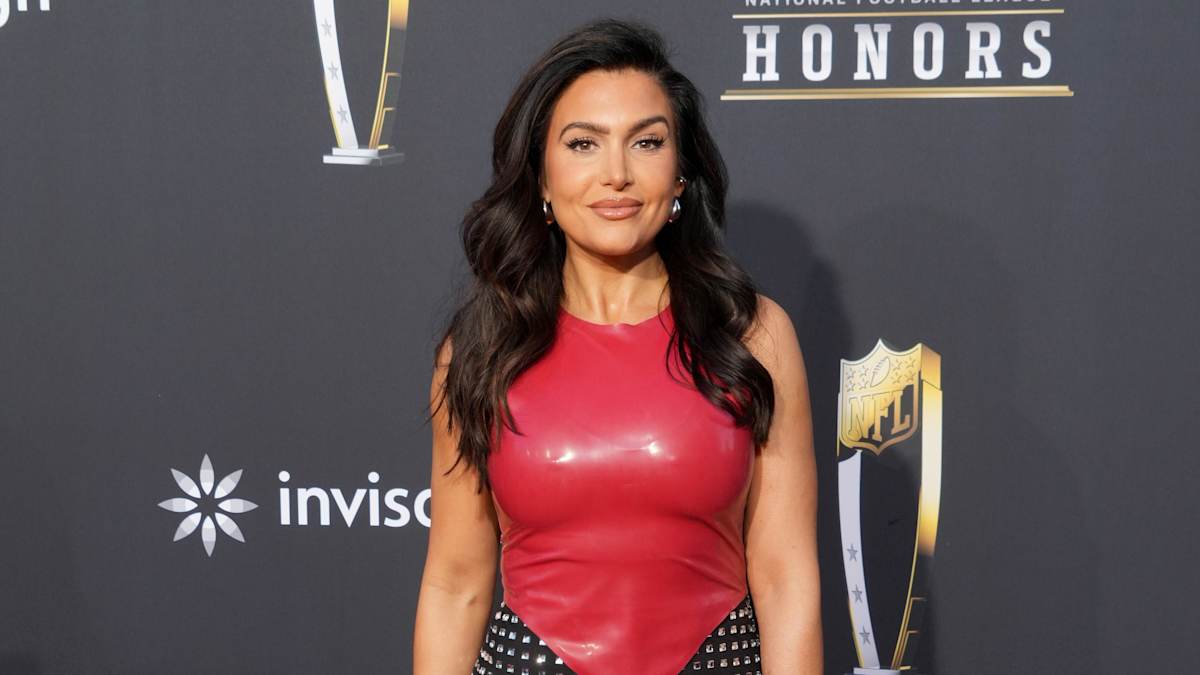
Molly Qerim, who has been a prominent figure on ESPN’s flagship show, faced an unexpected challenge when the network presented her with a contract containing stringent terms. According to Molly, the contract included clauses that were designed to limit her freedom and potentially intimidate her into compliance. The terms reportedly restricted her from speaking openly about her experiences at ESPN or pursuing opportunities outside the network without prior approval.
This contract was not just a standard non-disclosure agreement; it appeared to be a tool aimed at controlling her narrative and professional choices. Molly’s decision to expose the contract publicly was a bold move that shed light on the often opaque and restrictive nature of contracts in the sports media industry.
Molly Qerim’s Bold Response: Standing Up Against Intimidation
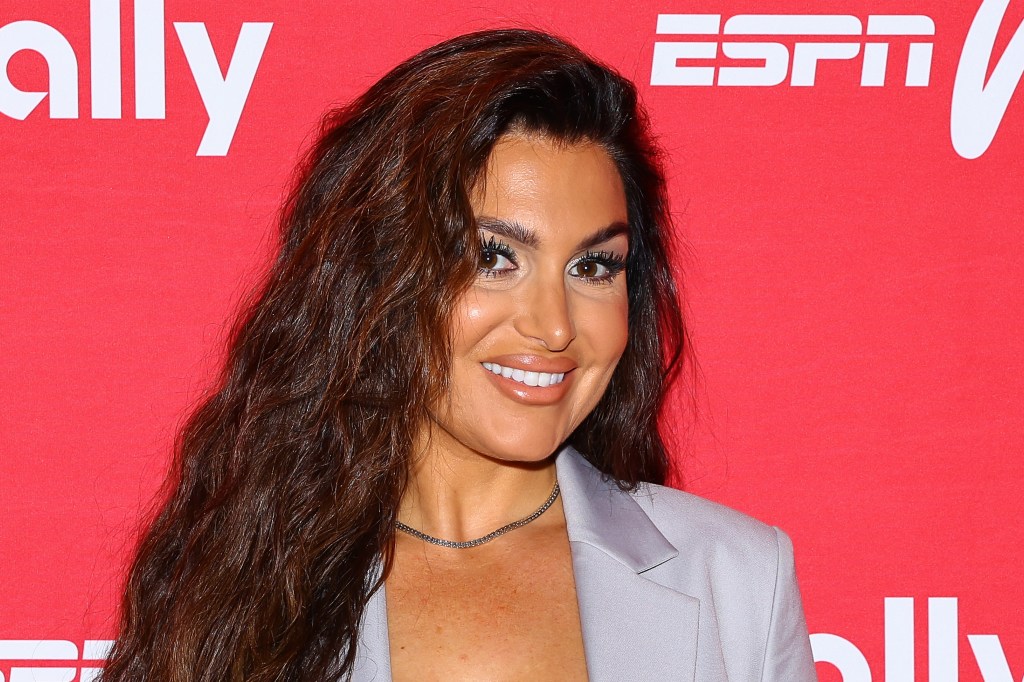
Upon receiving the contract, Molly Qerim did not remain silent. She took to social media and other platforms to share her experience, making it clear that she would not be intimidated by the network’s demands. Her statement, “Don’t think you can intimidate me,” resonated with many fans and industry insiders who admired her courage and transparency.
Molly’s openness about the contract has sparked important conversations about the power dynamics between media personalities and large networks. It also highlights the need for fair and respectful treatment of talent who contribute significantly to a network’s success.
The Broader Implications for Sports Media Contracts
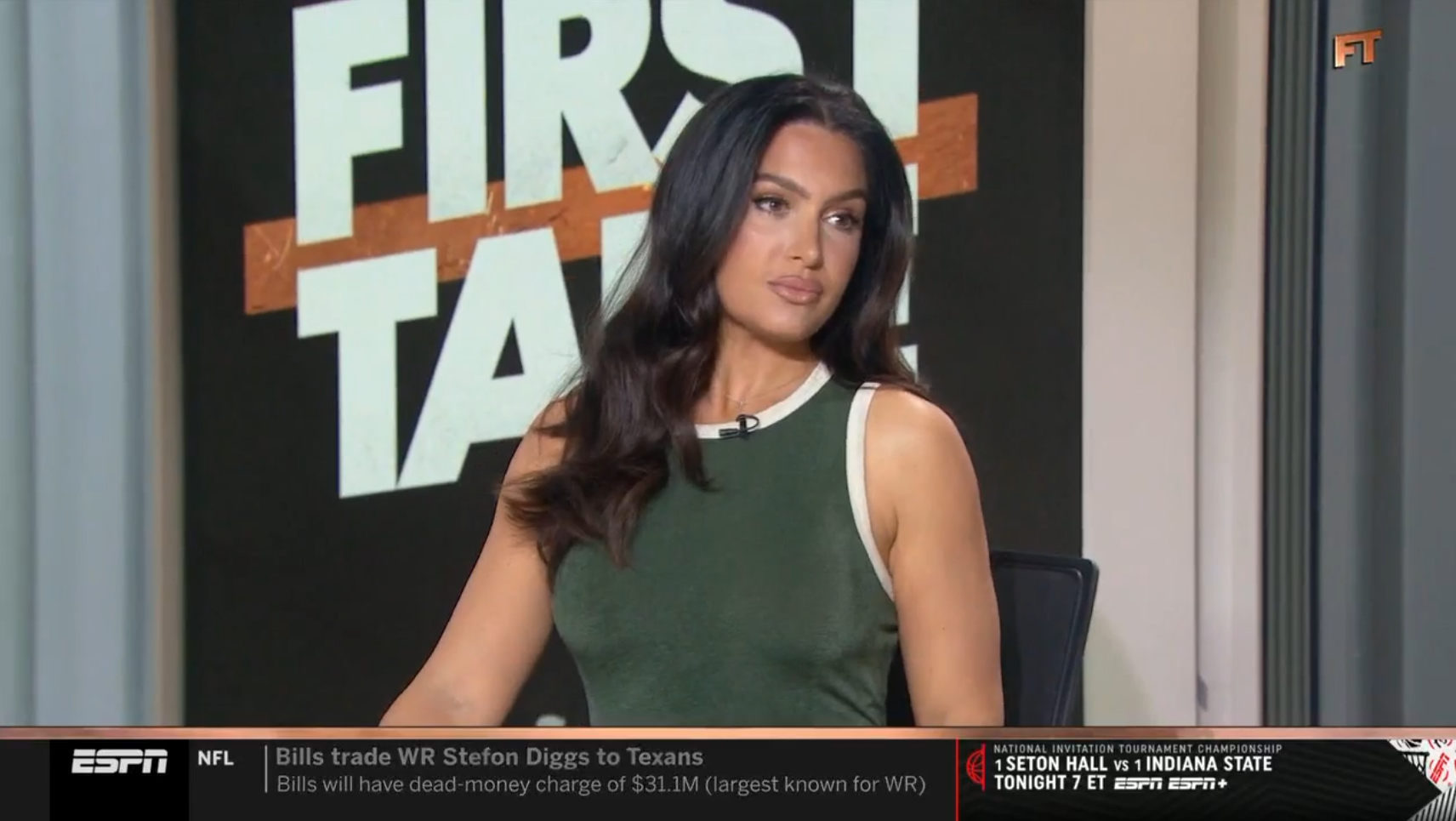
Molly Qerim’s exposure of ESPN’s contract raises critical questions about the standard practices in sports media agreements. Many contracts include non-compete clauses, confidentiality agreements, and other restrictions that can limit a broadcaster’s career mobility and freedom of speech. While networks argue these clauses protect their business interests, critics say they can be overly restrictive and suppress honest dialogue.
This incident may encourage other media professionals to scrutinize their contracts more carefully and advocate for more balanced terms. It also puts pressure on networks to reconsider how they structure agreements to foster a more transparent and equitable working environment.
What This Means for Molly Qerim’s Career Moving Forward
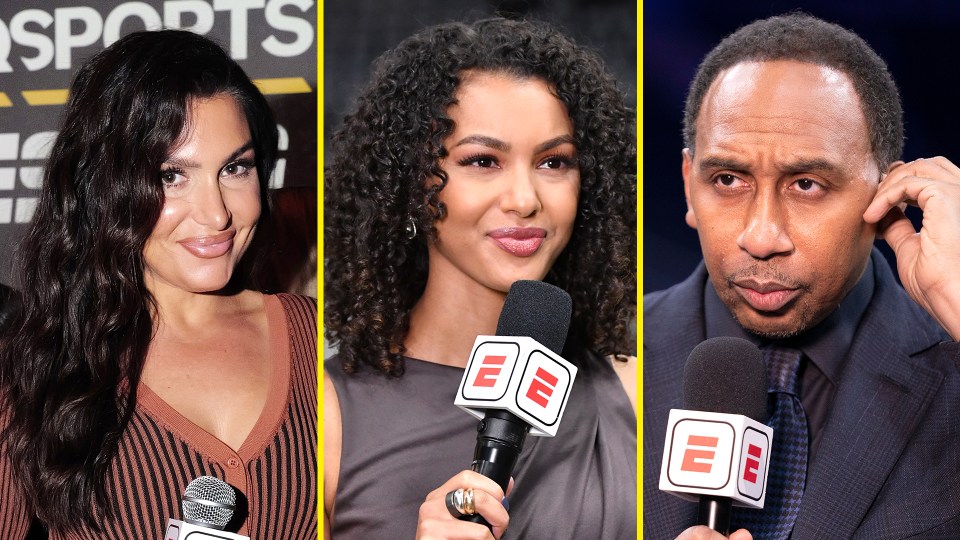
By standing firm and exposing the contract, Molly Qerim has positioned herself as a strong advocate for transparency and fairness in the sports media industry. Her willingness to speak out may open new doors for her, allowing her to pursue opportunities without the constraints imposed by her former employer.
Fans and colleagues alike are watching closely to see how Molly’s career evolves post-ESPN. Her experience serves as a powerful reminder of the importance of standing up for one’s rights and maintaining integrity in the face of corporate pressure.
Conclusion: Molly Qerim’s Stand Against Intimidation Sparks Industry-Wide Reflection
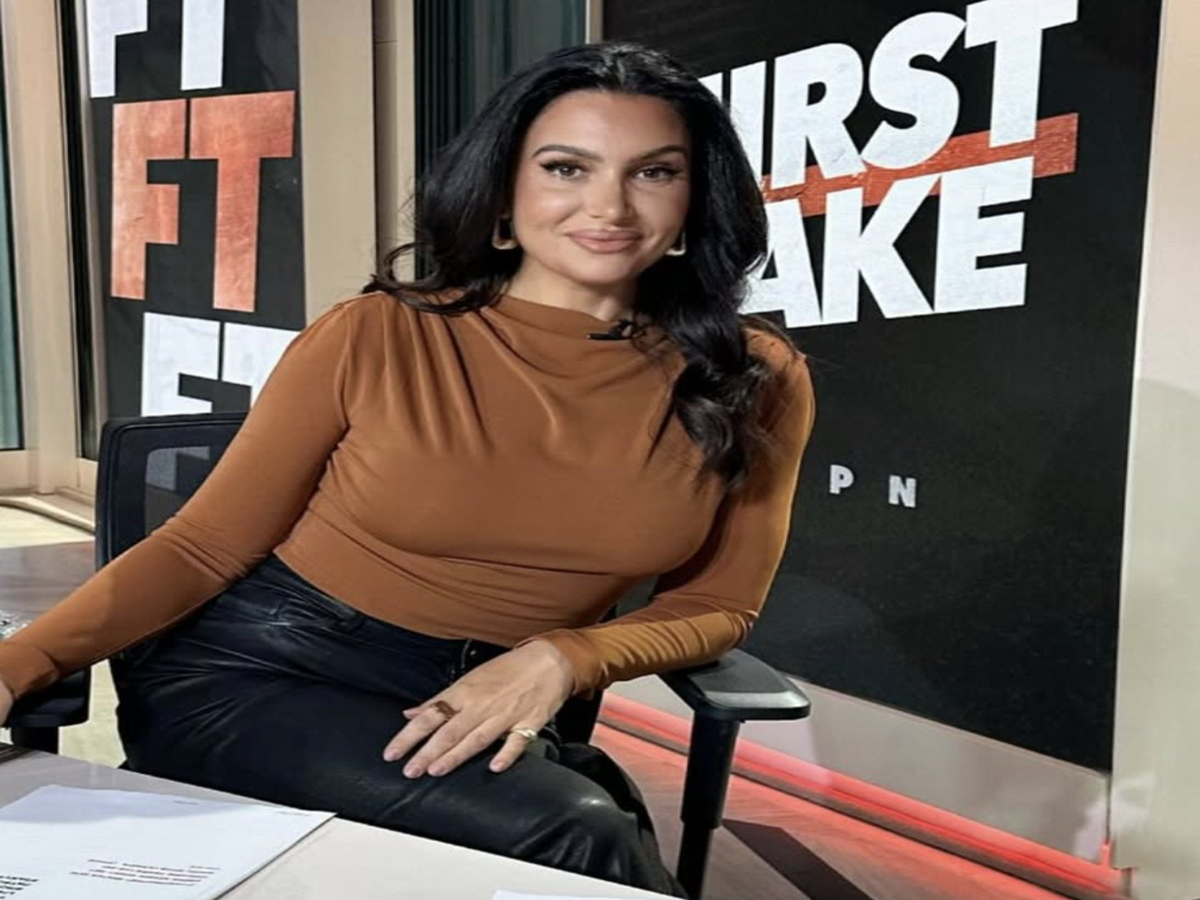
Molly Qerim’s decision to expose the restrictive contract ESPN asked her to sign before leaving the network has ignited a crucial conversation about the treatment of media professionals in sports broadcasting. Her fearless stance, encapsulated in her declaration, “Don’t think you can intimidate me,” underscores the importance of transparency, fairness, and respect in contractual agreements.
As the sports media landscape continues to evolve, Molly’s experience serves as an inspiration for others to advocate for their rights and demand equitable treatment. If you want to stay updated on similar stories and learn more about the dynamics of sports media contracts, be sure to follow our latest articles and insights. Don’t miss out on the conversation—join us today!