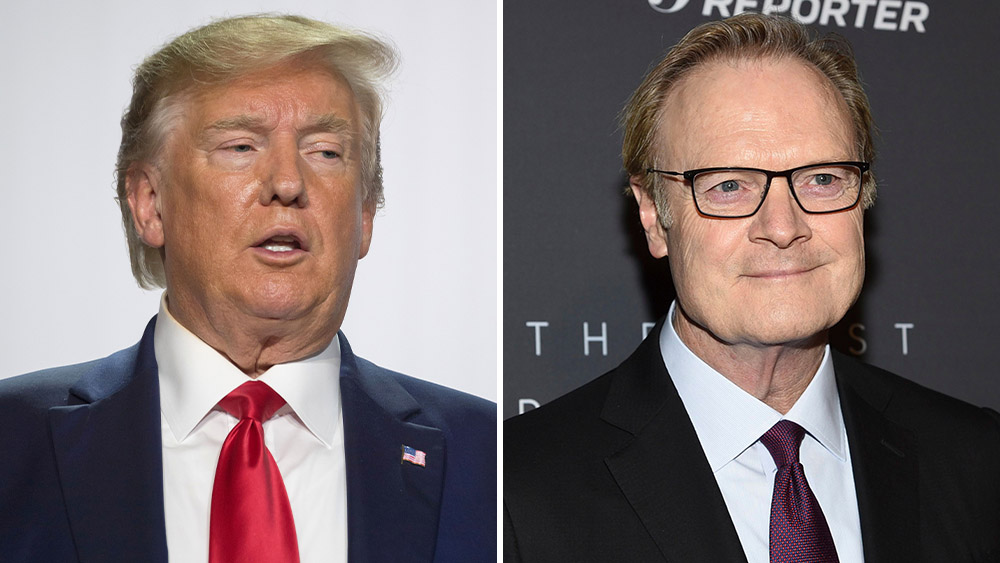
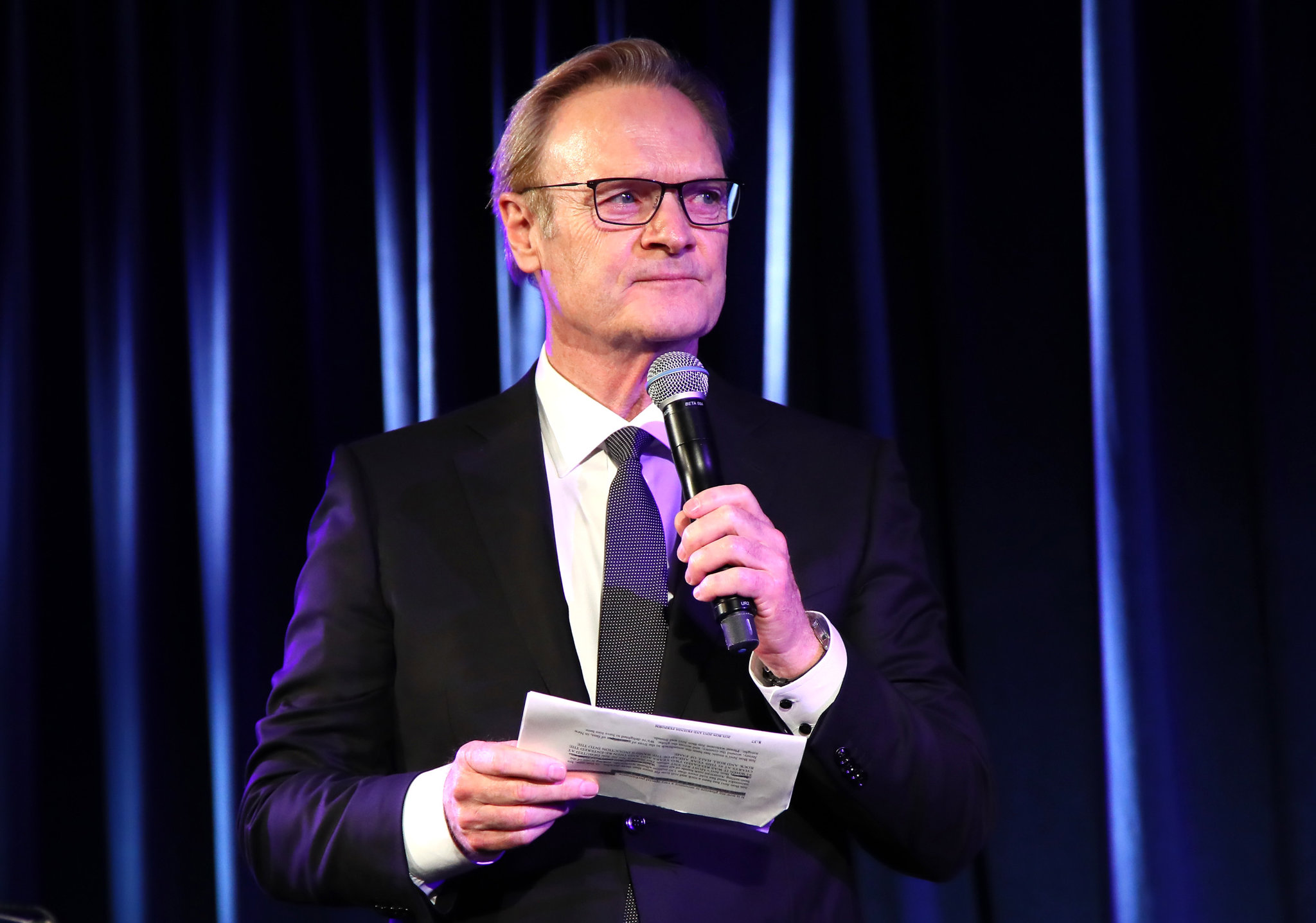
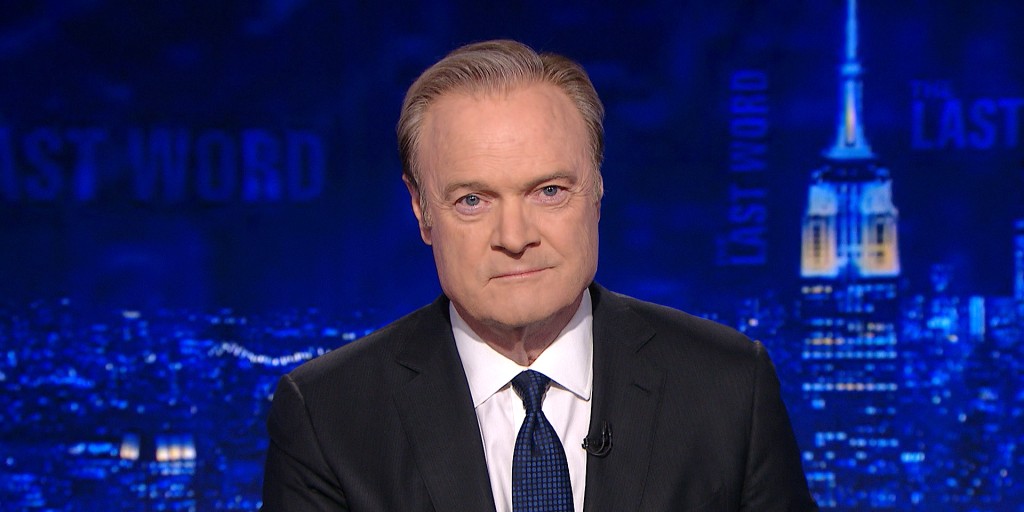
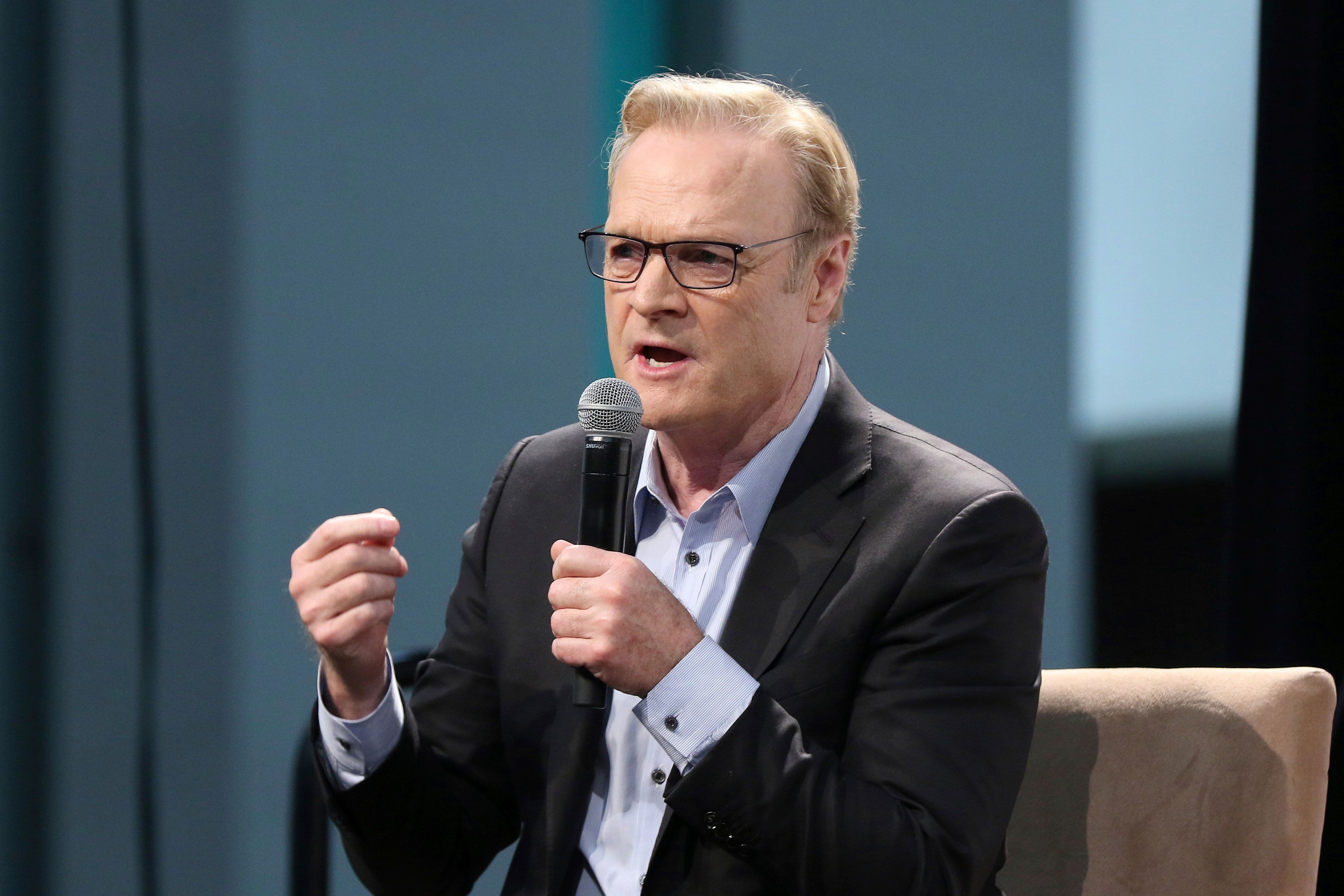
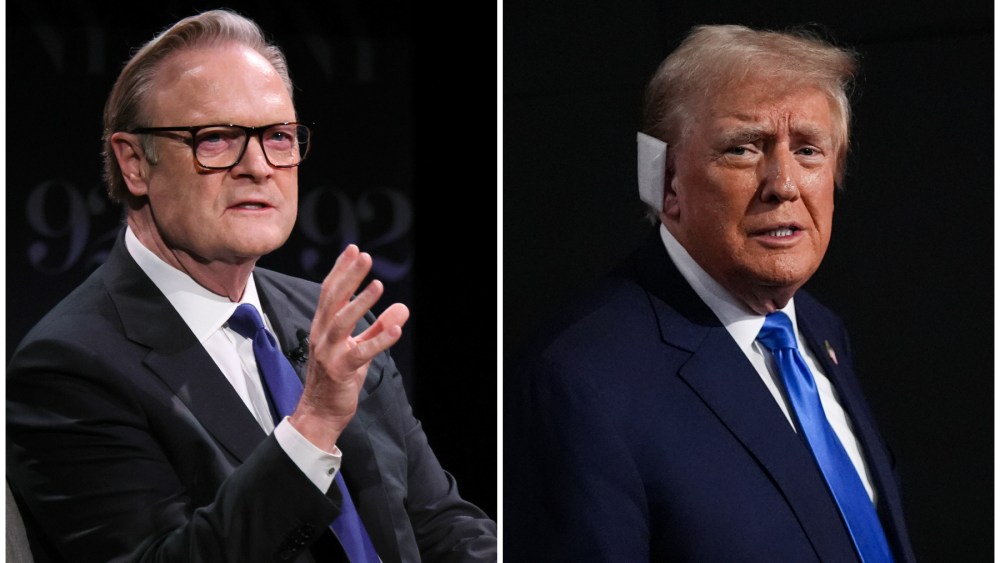
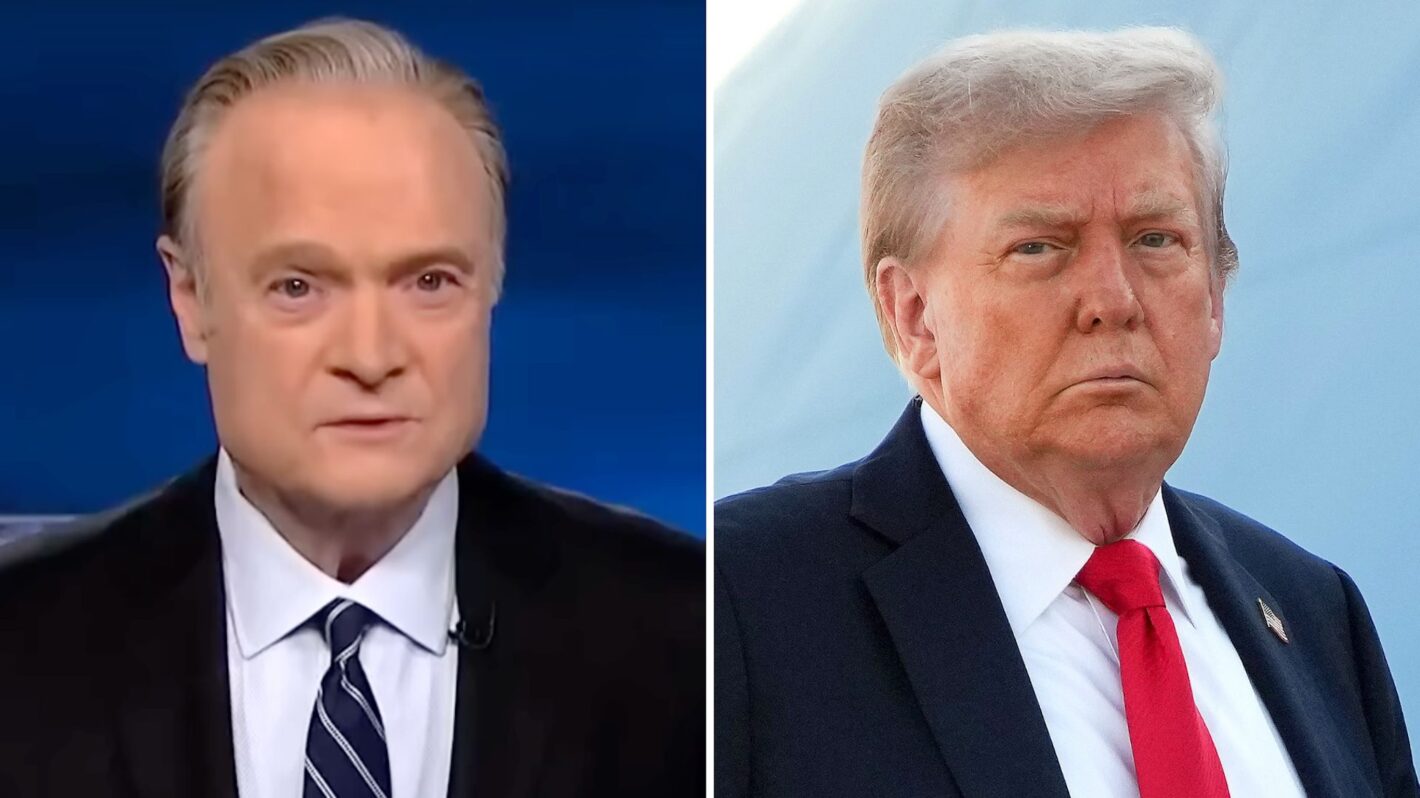
MSNBC’s Lawrence O’Donnell Criticizes CNN for a “New Dark Crime” Targeting Trump: ‘They’re Blaming My Old Friend Donald Trump’
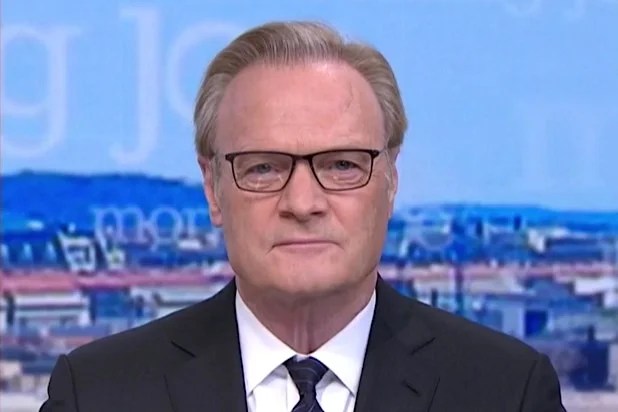
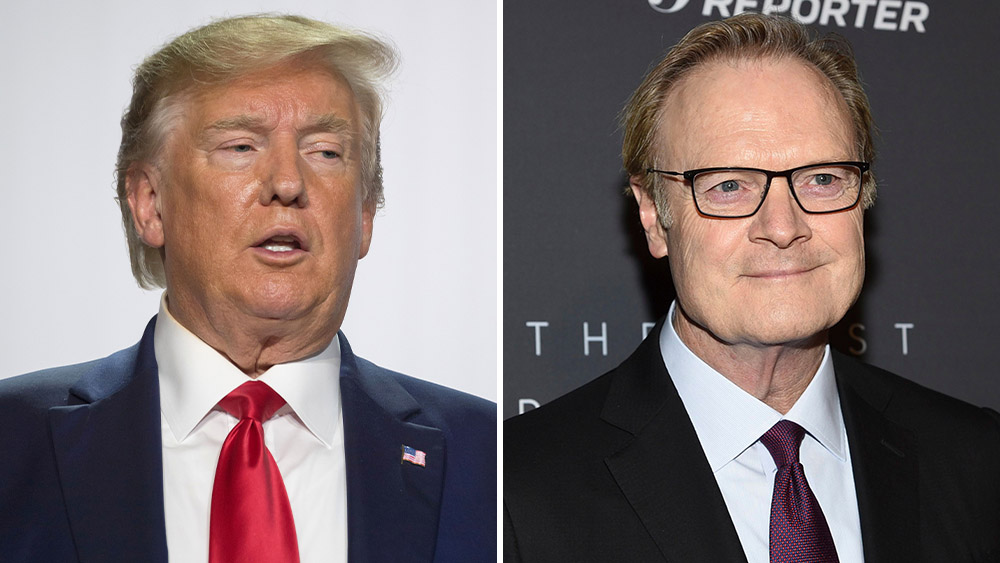
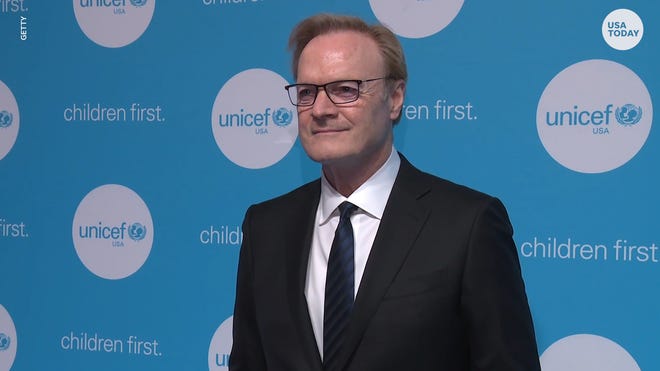
In the ever-intense world of political commentary, MSNBC’s Lawrence O’Donnell recently took a bold stance against CNN, accusing the network of engaging in what he described as a “new dark crime” aimed at former President Donald Trump. O’Donnell, known for his candid and often provocative opinions, expressed frustration over what he perceives as CNN’s unfair treatment of Trump, whom he referred to as his “old friend.” This critique has stirred conversations about media bias, journalistic integrity, and the complex relationship between news outlets and political figures.
Lawrence O’Donnell’s Accusation: CNN’s “New Dark Crime” Against Trump
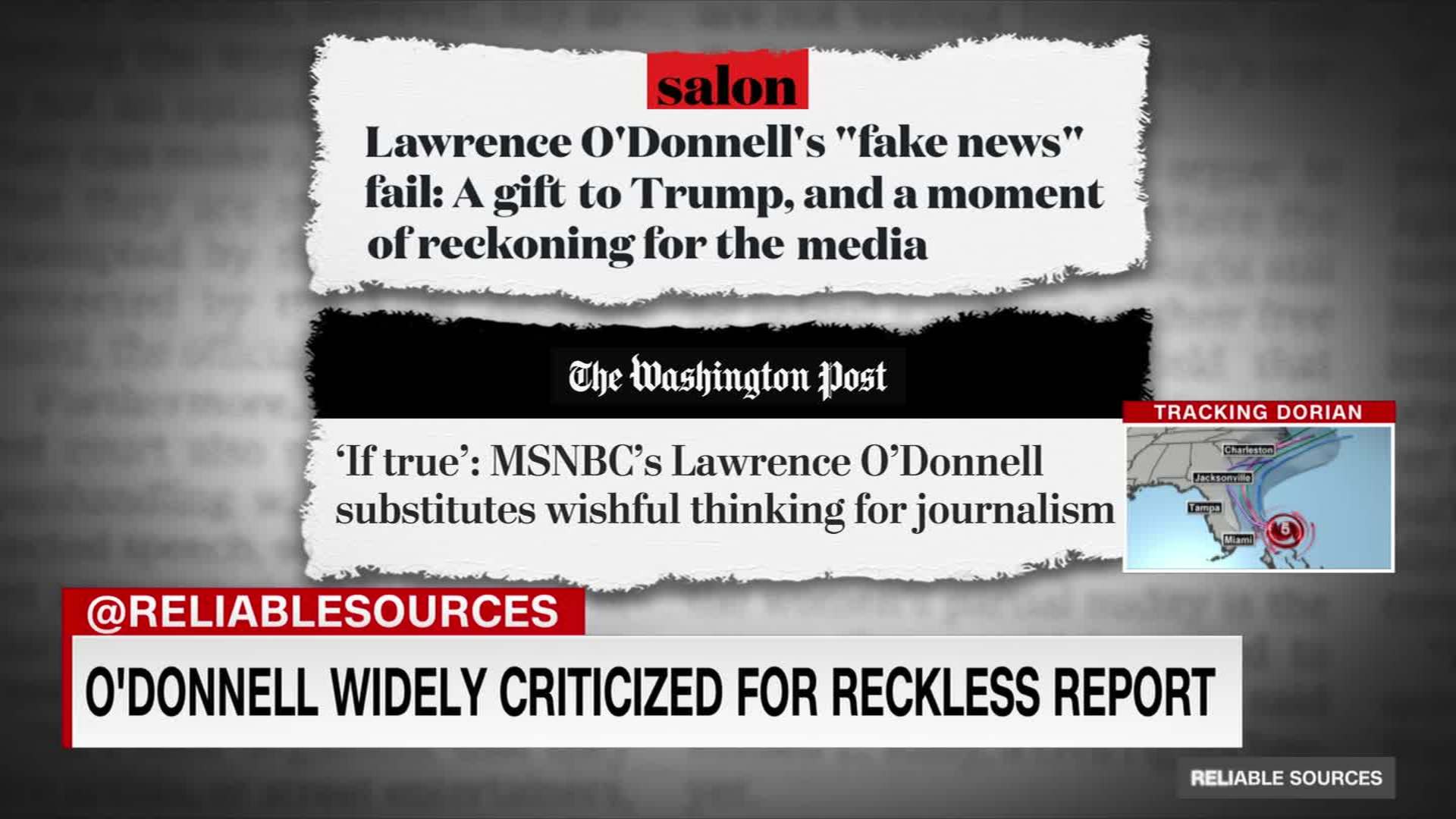
Lawrence O’Donnell’s comments came during a recent broadcast where he addressed the ongoing media coverage surrounding Donald Trump. O’Donnell accused CNN of unfairly blaming Trump for various controversies and legal challenges, suggesting that the network is engaging in a form of character assassination rather than objective reporting. He described CNN’s approach as a “new dark crime,” implying that the network’s coverage crosses ethical boundaries by targeting Trump with relentless negativity.
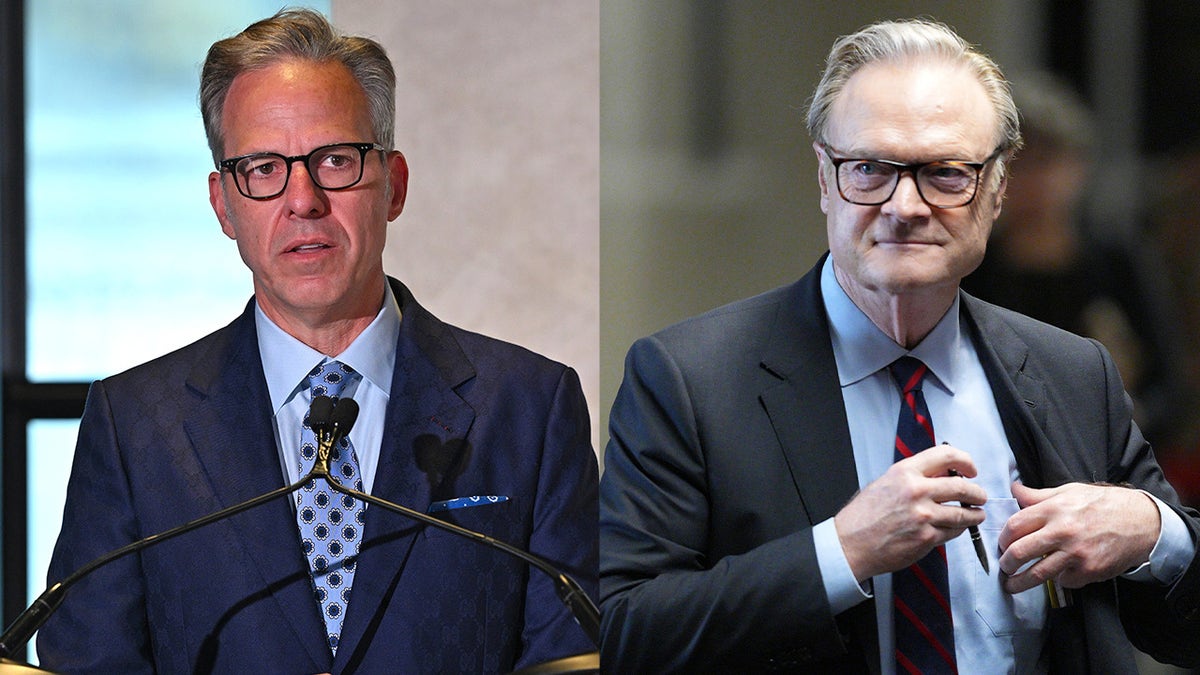
O’Donnell’s criticism highlights a broader debate about how different news organizations cover political figures, especially polarizing ones like Trump. While CNN has been known for its critical stance on Trump, O’Donnell’s remarks suggest that even within liberal media circles, there is discomfort with what some perceive as overly aggressive or biased reporting.
The Impact of Media Bias on Political Coverage
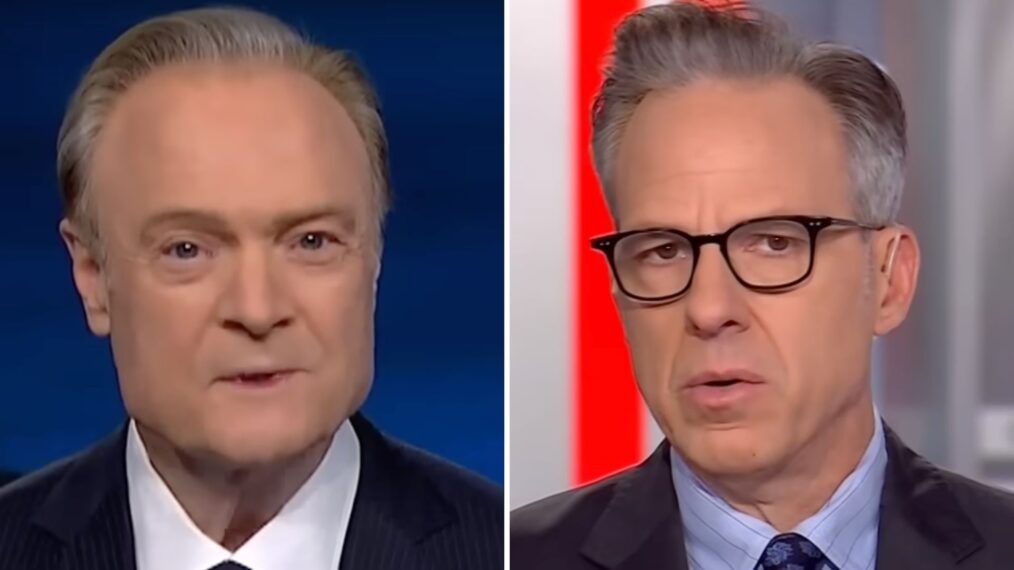
The tension between MSNBC and CNN over Trump coverage underscores the challenges that media outlets face in maintaining journalistic objectivity. Media bias can shape public perception, influence political discourse, and affect the reputations of public figures. When networks are perceived as taking sides, it can erode trust among viewers and contribute to the polarization of news audiences.
O’Donnell’s defense of Trump, despite his own progressive leanings, illustrates the complexity of media dynamics. It raises questions about how journalists and commentators balance personal opinions with professional responsibilities. Moreover, it spotlights the fine line between holding public figures accountable and engaging in partisan attacks.
The debate also reflects the broader media environment where sensationalism and competition for ratings can sometimes overshadow nuanced reporting. As news consumers become more discerning, the demand for fair and balanced coverage grows louder, pushing networks to reconsider their approaches.
What This Means for Donald Trump and Media Relations

For Donald Trump, the media landscape remains a double-edged sword. While critical coverage can damage his public image, it also keeps him in the spotlight and fuels his base’s narrative of being unfairly targeted. O’Donnell’s comments add another layer to this dynamic by suggesting that even some critics of Trump believe the media should exercise greater fairness.
This situation may encourage news organizations to reflect on their editorial choices and the potential consequences of their coverage strategies. It also serves as a reminder that political reporting is not just about conveying facts but also about the ethical considerations involved in shaping public opinion.
Conclusion
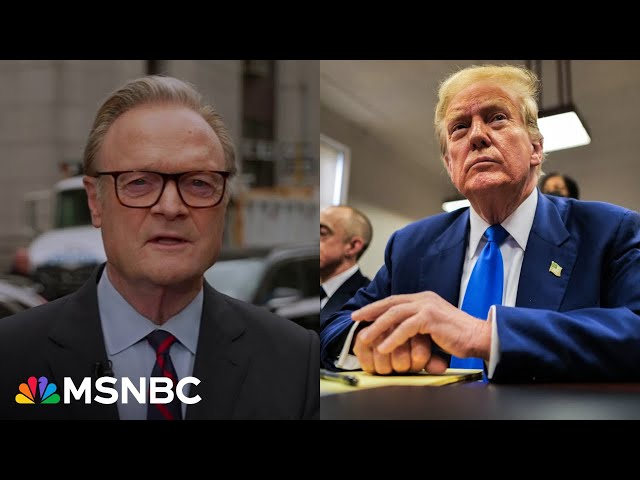
Lawrence O’Donnell’s sharp critique of CNN’s coverage of Donald Trump as a “new dark crime” highlights ongoing concerns about media bias and the ethical responsibilities of news organizations. His defense of Trump, calling him an “old friend,” adds a unique perspective to the conversation about how political figures are portrayed in the media. As viewers and readers, staying informed about these dynamics is crucial for understanding the broader political and media landscape.
If you found this analysis insightful, be sure to follow our updates for more in-depth coverage of media and political developments. Stay informed, stay critical, and engage with the news thoughtfully.